 Español
Chispa Project – Honduras
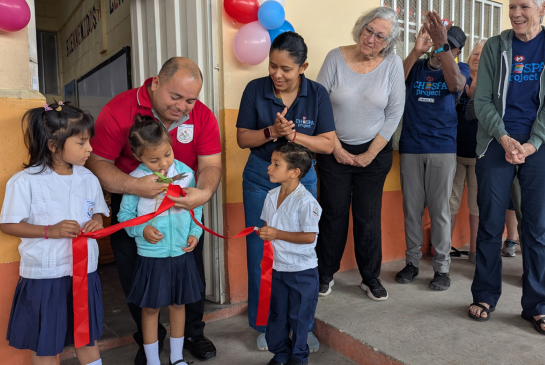
In March, Chispa Project brought access to recreational books and reading spaces to 760 children in rural areas of Honduras, many of them for the first time. In just one week, the organization opened libraries in 3 schools and reading corners in two early childhood education centers, delivered more than 1,670 books, and trained 34 teachers in the municipalities of Villa de San Antonio and Comayagua, in the department of Comayagua.
Beyond the results, this project also reflects an important evolution in the way impact is generated. In the past, Chispa Project focused its efforts on larger schools to maximize each intervention. Today, with a stronger funding base, the organization has adopted a network-based approach that connects schools within the same region, allowing it to optimize resources, increase efficiency, and expand its reach in rural communities.
A key element of this model has been the intentional inclusion of early childhood education centers. Although some are linked to primary schools, they often operate independently, without sharing staff, spaces, or resources.
By actively including them, Chispa Project is helping ensure that children’s connection to reading begins in early childhood, creating a deeper impact on their development.
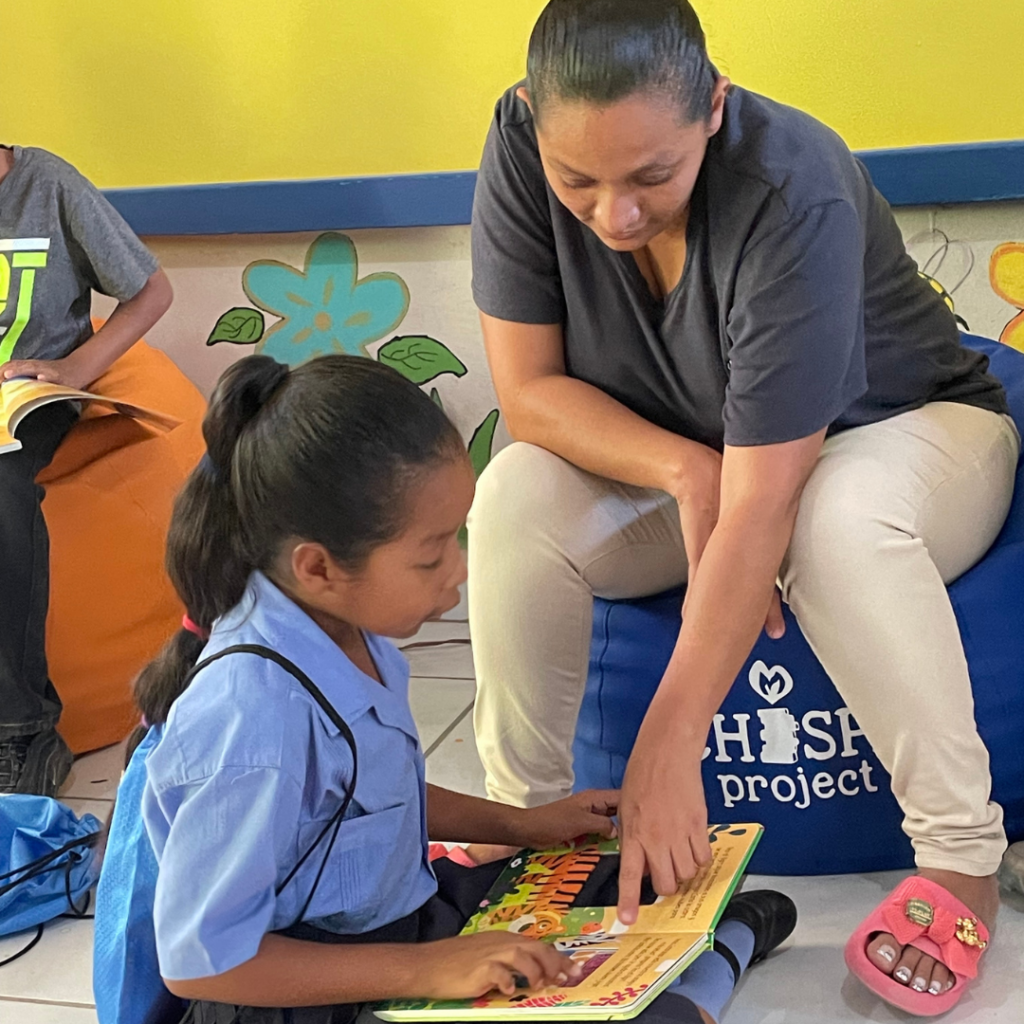
The results are already visible in meaningful moments across these educational communities: preschool teachers who now have illustrated books to bring their lessons to life, students reading alongside parents or volunteers, and children exchanging books, spending recess in the library, and discovering stories they have always wanted to read. In one of the smallest and most rural schools, a teacher has already asked how to expand the collection, an early sign of ownership and long-term sustainability.
These advances show how access to books and training on how to use them can transform the relationship communities have with reading and open new possibilities for learning.
Looking ahead, Chispa Project will continue strengthening this model and, in April 2026, plans to implement a similar network-based approach to reach 13 schools and early childhood education centers in the rural coffee-growing areas of the department of Comayagua.